

Softshell fabrics are lightweight, flexible, and breathable, making them great for active pursuits where moisture management and comfort matter most. Hardshell fabrics prioritize waterproofing and wind resistance, offering more protection in harsh weather but at the expense of breathability. Softshells are easier to pack and maintain, while hardshells are more durable for rugged conditions. Understanding these differences helps you choose the right gear for your adventures—if you keep exploring, you’ll discover even more about each fabric’s strengths.

Get your wardrobe favorites delivered free with Prime
- Fast, free delivery on millions of items
- Prime Video, Amazon Music and more included
- Member-only deals all year
Key Takeaways
- Softshell fabrics prioritize breathability and moisture management, making them suitable for high-energy activities.
- Hardshell fabrics focus on waterproofing and wind resistance, ideal for harsh weather conditions.
- Softshells are lighter, more flexible, and easier to pack than bulkier, rigid hardshells.
- Hardshells offer greater durability and resistance to tearing, suitable for rugged environments.
- Choice depends on activity type: softshells for comfort and breathability, hardshells for waterproof protection.
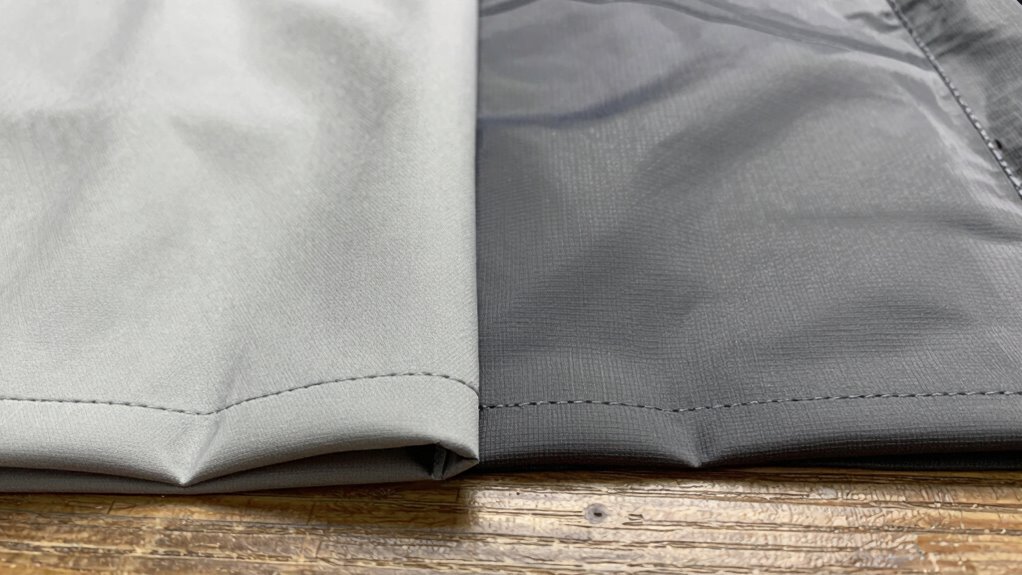
When choosing outdoor gear, understanding the differences between softshell and hardshell fabrics can make a significant impact on your comfort and performance. One key aspect to weigh is breathability comparison. Softshell fabrics excel here, offering better airflow and moisture transfer, which helps keep you comfortable during high-energy activities. They’re designed to wick sweat away from your skin and allow vapor to escape, reducing the risk of overheating. Hardshell fabrics, on the other hand, focus more on waterproofing and wind resistance, often sacrificing breathability. If you’re engaging in intense activity where sweat management is vital, softshells tend to be more comfortable, preventing you from feeling clammy or overheated. Additionally, fabric technology continues to evolve, enhancing the performance benefits of both types of materials. Advances in breathability have made softshells even more effective at managing moisture and ensuring comfort during vigorous pursuits.
Another important factor is weight and packability. Softshell fabrics are generally lighter and more flexible, making them easier to pack and carry on extended trips. Their soft, stretchy nature means they don’t take up much space in your pack, and they’re less bulky when stuffed into your bag. Hardshells, while often lightweight themselves, tend to be bulkier due to their more rigid construction and additional waterproof membranes. This means they might require more space and effort to pack efficiently, especially if you’re trying to minimize pack weight. If you’re heading into situations where every ounce counts, softshells could be the better choice because of their superior packability and lighter weight. The lighter weight and compact nature of softshells can be especially advantageous for backpackers and minimalist travelers. Furthermore, selecting the right fabric also involves considering the maintenance requirements, as softshells often need different care compared to hardshells to maintain their performance. For instance, wear and tear may influence your choice depending on the ruggedness of your outdoor activities.
Durability is another factor that intersects with these considerations. Hardshell fabrics are typically more resistant to tearing and abrasion, making them suitable for rugged conditions. They’re built to withstand harsh environments, but this durability often comes with increased weight and reduced breathability. Softshells, while still durable enough for most activities, may not stand up as well to extreme abrasion or rough surfaces. However, they provide enough resilience for most outdoor adventures, especially when comfort and flexibility are priorities.
As an affiliate, we earn on qualifying purchases.
Frequently Asked Questions
How Do Softshell and Hardshell Fabrics Compare in Breathability?
You’ll find softshell fabrics more breathable than hardshells, making them ideal for active layering systems. Softshells offer greater material flexibility and ventilation, helping you stay comfortable during high-intensity activities. Hardshells prioritize waterproofing and wind resistance, often sacrificing breathability. So, if breathability is your focus, softshell fabrics are the better choice, especially when layered with other breathable materials to optimize comfort and moisture management during outdoor adventures.
Which Fabric Type Is More Environmentally Friendly?
You’ll find softshell fabrics tend to be more eco-friendly because they often use sustainable manufacturing practices and eco-friendly materials, like recycled polyester or natural fibers. Hardshell fabrics usually involve more resource-intensive processes and synthetic materials that aren’t as sustainable. If minimizing environmental impact matters to you, softshell options are generally better, as they often prioritize eco-conscious production and can be more sustainable throughout their lifecycle.
Can Softshell Fabrics Be Waterproof?
Imagine a softshell fabric wrapped around you like a gentle, flexible shield. While softshells aren’t inherently waterproof, they can be treated with special waterproof coatings or laminates, enhancing their waterproof capabilities. These fabric treatments create a barrier that repels water, keeping you dry during light rain or snow. However, for heavy downpours, a true hardshell remains the more reliable choice, as its waterproof design is built-in without relying solely on fabric treatment.
How Do Durability Levels Differ Between the Two Fabrics?
You’ll find that hardshell fabrics generally offer higher durability due to their tighter fabric construction, making them resistant to abrasions and tears. Softshell fabrics, while flexible and comfortable, tend to have lower durability because of their more elastic material composition, which can degrade faster with material aging. If you need rugged protection for harsh conditions, hardshells are the better choice; softshells excel in mobility and breathability for milder activities.
Are There Specific Activities Better Suited for Each Fabric Type?
You might think these fabrics are interchangeable, but softshells excel in activities requiring layering versatility and temperature regulation, like hiking or climbing, where flexibility matters. Hardshells shine in extreme weather, perfect for mountaineering or stormy conditions. Ironically, softshells adapt to change, while hardshells stand firm against the elements. Choose wisely to match your activity’s demands, ensuring comfort and protection in any outdoor adventure.
Conclusion
In the end, choosing between softshell and hardshell fabrics depends on your adventure style. Softshells offer flexibility and breathability for active pursuits, while hardshells keep you dry in harsh weather. Think of it like selecting your trusty steed for a quest—each has its strengths. So, pack wisely, and don’t forget, even a brave knight would want the right armor for the day’s journey. Now, go conquer those mountains with confidence!
Columbus Day / Indigenous Peoples' Day Picks
long weekend sales
As an affiliate, we earn on qualifying purchases.