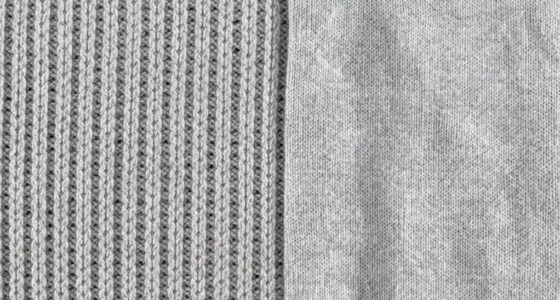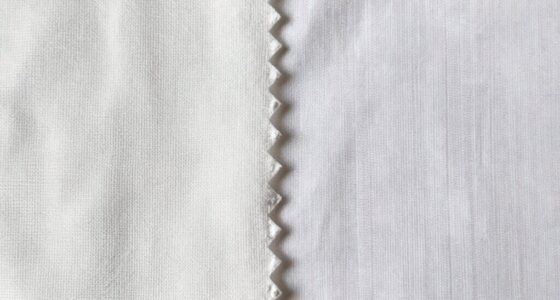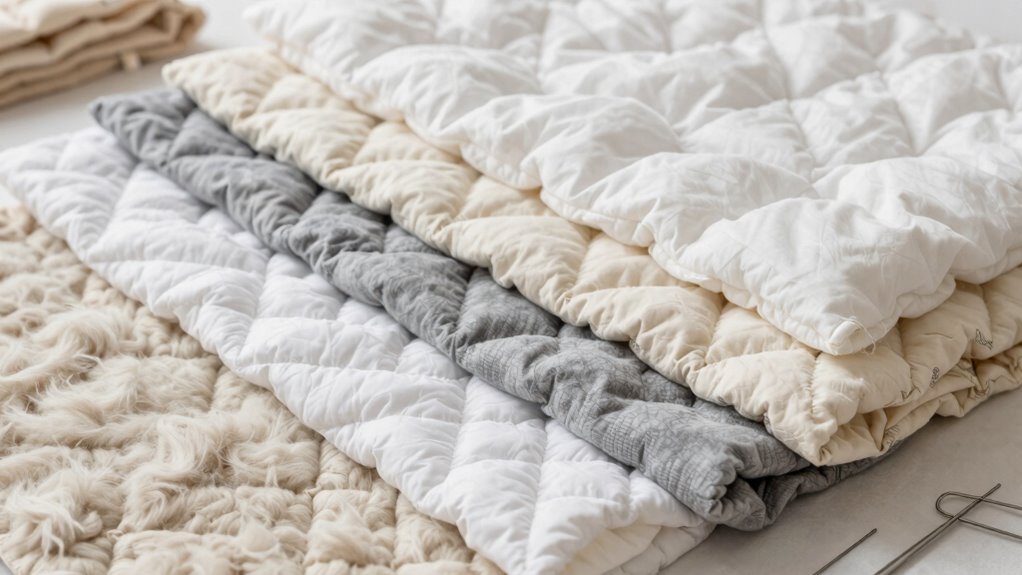

Choosing the right batting depends on your quilt’s purpose and your preferences. Cotton batting is soft, breathable, and lightweight, perfect for draping and summer quilts, but it can shrink. Polyester batting is durable, resists shrinking, and maintains shape, making it great for everyday use. Wool offers plush warmth and resilience, ideal for winter. Natural fibers are eco-friendly but may cost more. Keep exploring to discover which batting best suits your project and enhances your quilt’s look.
Key Takeaways
- Choose cotton batting for lightweight, breathable quilts, ideal for summer or decorative projects.
- Use polyester batting for durable, shape-retaining quilts that resist shrinking and bunching.
- Opt for wool batting to achieve plush, insulating quilts with natural resilience and elasticity.
- Consider natural fibers like bamboo or cotton blends for eco-friendly, biodegradable quilting options.
- Match batting type to quilt purpose, climate, and quilting method for optimal appearance, comfort, and durability.
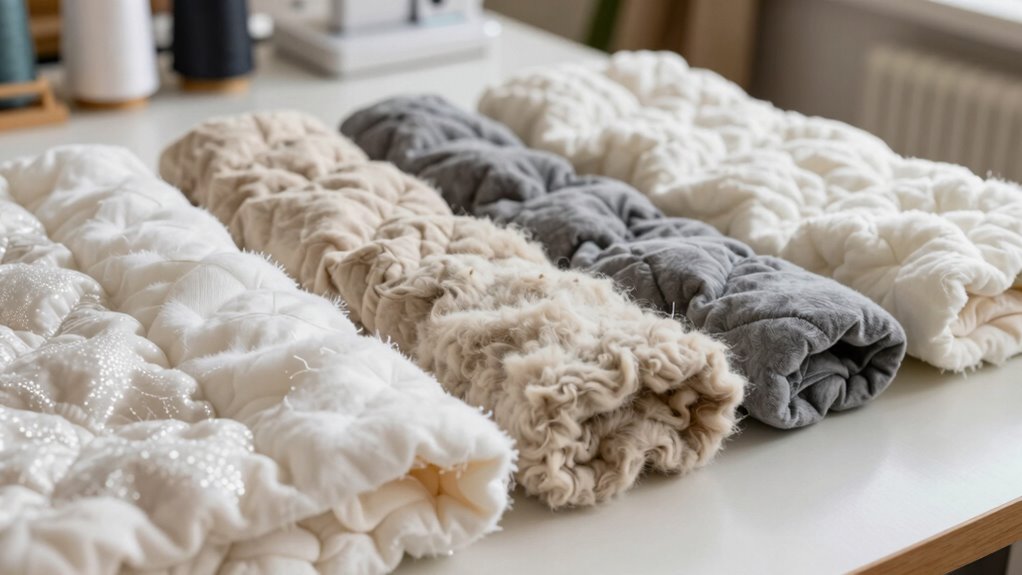
Ever wondered what different batting types mean and how they can influence your game? When you’re selecting batting for your quilt or other projects, understanding the options available helps you make smarter choices. Choosing suitable batting isn’t just about picking the prettiest or cheapest material – it’s about understanding how each type will perform based on your needs. A good batting can improve your quilt’s appearance, durability, warmth, and ease of use, so taking the time to compare batting materials pays off.
One of the first things you’ll want to weigh up is the batting material comparison. Cotton batting, for example, is popular because it’s soft, breathable, and easy to work with. It’s ideal if you want a natural, lightweight finish that drapes well. However, cotton can shrink if not pre-washed and might not provide as much loft or insulation as other options. Polyester batting, on the other hand, offers durability and resilience. It maintains its shape over time and is often less expensive, making it a good choice for everyday projects. Polyester batting also resists shrinking and bunching, which means your quilt stays smooth and fresh longer.
Cotton batting is soft, breathable, and lightweight but may shrink; polyester is durable, resists shrinking, and maintains shape.
If you’re after a luxurious, plush feel, you might lean toward wool batting. Wool offers excellent insulation, is naturally resilient, and has some natural elasticity, which helps prevent bunching or shifting. It’s also inherently fire-resistant, which adds an extra layer of safety. Additionally, natural fiber batting options like wool can contribute to a more sustainable and biodegradable quilt, especially when compared to synthetic alternatives. Understanding the biodiversity of natural fibers used in batting materials can help you make more environmentally-conscious decisions. Wool batting can be more expensive and may require special care. For those seeking eco-friendly options, bamboo or cotton-blend batting can be great choices, combining sustainability with the qualities you need for your project. Moreover, considering the renewable nature of natural fibers can further guide environmentally-conscious choices.
Knowing how to choose suitable batting means taking into account the final look and purpose of your quilt. If you want a lightweight, drapey quilt for summer, a thin cotton or bamboo batting will work best. For a cozy winter quilt, a thicker polyester or wool batting provides the warmth you need. Also, think about the quilting method—some battings work better with machine quilting, while others are suited for hand quilting or decorative stitches. Additionally, researching batting weight and loft can help you determine the best thickness for your specific project. Considering the climatic conditions where the quilt will be used can also influence your choice, particularly if you need insulation or breathability.
In essence, understanding the differences through batting material comparison guides you toward the best choice for your project. Each type offers unique benefits and challenges, so knowing what you want your finished quilt to feel and look like will help you decide. When you pick the right batting, you’ll enjoy better quilt results, with a finished product that’s durable, comfortable, and visually appealing. Taking the time to learn about batting types empowers you to craft quilts that truly meet your needs and expectations.

47" x 59" Grinding Natural Cotton Quilt Batting, Quilt Batting for Quilts
- Material: 100% natural cotton batting
- Size: 47 x 59 inches
- Weight: Lightweight and all-season
As an affiliate, we earn on qualifying purchases.
As an affiliate, we earn on qualifying purchases.
Frequently Asked Questions
How Do I Choose the Best Batting for Warm-Weather Quilts?
For warm-weather quilts, choose lightweight, breathable batting like cotton or bamboo. Make certain thread compatibility by matching your batting with the thread type to prevent puckering or uneven stitches. Store your batting properly—preferably in a cool, dry place—to maintain its shape and quality. This way, your quilt remains comfortable and durable. Opting for the right batting and proper storage tips helps you achieve a perfect, season-appropriate quilt.
Can Batting Types Affect the Durability of My Quilt?
Batting fiber choices can subtly influence your quilt’s durability, acting like a gentle whisper of longevity. Higher-quality batting often offers a longer lifespan, ensuring your quilt remains cozy for years to come. Lower-quality options might wear out quicker, risking a shorter batting lifespan. So, by selecting the right batting type, you’re giving your quilt a better chance to stay beautiful and functional through many washes and years of snuggling.
Are There Eco-Friendly Batting Options Available?
Yes, eco-friendly batting options are available, supporting sustainable quilting. Look for batting made from eco-friendly materials like organic cotton, bamboo, wool, or recycled fibers. These options reduce environmental impact by avoiding synthetic chemicals and using sustainable resources. Choosing eco-friendly batting not only benefits the planet but also creates healthier quilts. By selecting these options, you contribute to sustainable quilting practices and enjoy a cozy, environmentally conscious finished product.
How Does Batting Thickness Impact Quilting Techniques?
Imagine your quilt as a lively dance partner; batting thickness is its rhythm. Thicker batting adds more padding, increasing batting compression, which can make quilting techniques feel stiffer and less flexible. Conversely, thinner batting offers greater quilting flexibility, allowing your stitches to flow smoothly like a gentle stream. So, choose your batting thickness wisely—thicker for cozy warmth, thinner for intricate quilting details—ensuring your quilt dances beautifully to your creative tune.
What Is the Best Batting for Machine Quilting?
The best batting for machine quilting depends on your project, but generally, a polyester or cotton-poly blend is ideal. You want batting fiber that offers good durability and ease of quilting. Look for a batting with a medium quilt loft, which balances fluffiness and support, making it easier to machine quilt smoothly. Consider your fabric type and desired finish to choose batting that enhances your quilt’s overall look and feel.
Conclusion
Now that you understand the different batting types, you’re ready to craft a quilt that feels just right. Picture your fabric layers coming together like a cozy hug, each stitch a gentle whisper of warmth and comfort. Whether silky, fluffy, or firm, your choice shapes the quilt’s soul. Embrace the rhythm of your sewing journey, knowing each decision brings your quilt to life—beautiful, warm, and uniquely yours, wrapping you in love and creativity.