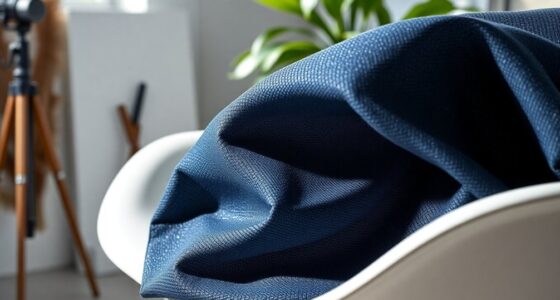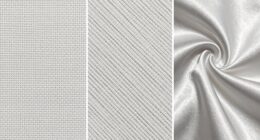
Nonwoven fabrics like felt, interfacing, and modern materials are made by bonding fibers without weaving or knitting, offering versatile options for textiles. Felt is created through mechanical entanglement, while interfacing provides stability for sewing projects. Advanced materials incorporate recycled or biodegradable fibers for eco-friendliness. Manufacturing techniques, from thermal bonding to chemical adhesives, influence their properties and sustainability. If you explore further, you’ll discover how innovations are shaping their future applications and environmental impact.
Key Takeaways
- Felt is a traditional nonwoven fabric made by matting, condensing, and pressing fibers, often wool or synthetic fibers.
- Interfacing is a type of nonwoven material used to reinforce fabrics in sewing and apparel construction.
- Modern nonwoven materials include advanced spunbond and meltblown fabrics with enhanced filtration, durability, and eco-friendly features.
- Manufacturing methods like chemical bonding and needle punching influence the properties and applications of nonwoven fabrics.
- Sustainable innovations focus on recycled fibers, biodegradable polymers, and energy-efficient production to reduce environmental impact.

Nonwoven fabrics are versatile materials made by bonding fibers together through mechanical, chemical, or thermal processes, rather than weaving or knitting. This manufacturing approach allows for a wide range of uses, from medical supplies to industrial filters, and even household products. When you look at how these fabrics are produced, it’s important to consider both their environmental impact and the manufacturing processes involved. The way nonwoven fabrics are made can significantly influence their sustainability, energy consumption, and waste generation.
The manufacturing processes for nonwoven fabrics include several techniques such as spunbond, meltblown, needle punching, and chemical bonding. In spunbonding, thermoplastic fibers are extruded and laid down in a web, then bonded using heat or pressure. Meltblown technology involves melting polymer and blowing it into fine fibers that are collected into a web. Needle punching mechanically entangles fibers by repeatedly punching barbed needles through the web, creating a dense, fabric-like material. Chemical bonding uses adhesives or binders to hold fibers together. Each process impacts the fabric’s properties, cost, and environmental footprint. For example, spunbond and meltblown processes tend to be energy-intensive but produce fabrics with excellent filtration qualities. Needle punching, on the other hand, can be more environmentally friendly because it uses less energy but may require additional finishing steps. Additionally, understanding manufacturing energy use is crucial when evaluating the overall environmental impact of nonwoven fabrics.
Regarding environmental impact, the choice of raw materials and manufacturing method plays a vital role. Many nonwoven fabrics are made from synthetic polymers like polypropylene or polyester, which are derived from non-renewable resources. This can lead to concerns about fossil fuel consumption and plastic waste. However, advances in eco-friendly manufacturing processes are reducing these impacts. Some manufacturers now incorporate recycled fibers or biodegradable polymers, aiming to lessen landfill contributions and pollution. Additionally, optimizing production methods to minimize energy use and waste helps make the entire process more sustainable. For instance, developing low-energy bonding techniques or recycling scrap fibers back into the production cycle reduces environmental costs.

Eco-Friendly Medium Weight Iron-On Fusible Interfacing 60in x 3Yd Non-Woven, Breathable Fusible Fleece Fabric Interfacing for Sewing, Quilting & Crafts | Ideal for Clothing, Bags & Home Decor Projects
Eco-Friendly Fusible Interfacing: Our interfacing fabric for sewing uses eco-friendly adhesive for a strong, sustainable bond. Ideal for…
As an affiliate, we earn on qualifying purchases.
As an affiliate, we earn on qualifying purchases.
Frequently Asked Questions
How Eco-Friendly Are Nonwoven Fabrics Compared to Traditional Textiles?
Nonwoven fabrics are generally more eco-friendly than traditional textiles because they often come from renewable sources and are designed for biodegradability. You’ll find that many nonwovens use recycled materials or natural fibers, reducing environmental impact. Plus, their production typically consumes less water and energy, making them a sustainable choice. So, by choosing nonwoven fabrics, you help support environmentally conscious practices and reduce waste in the long run.
Can Nonwoven Fabrics Be Recycled or Reused Effectively?
Yes, nonwoven fabrics can be recycled and reused, but recycling challenges often arise due to their composite materials and bonding agents. You can explore reuse strategies like repurposing or shredding them for insulation or mulch. To maximize their eco-friendliness, look for products made from recyclable fibers and support initiatives that develop better recycling methods for nonwoven fabrics, making reuse more effective and sustainable.
What Are the Differences Between Spunbond and Meltblown Nonwovens?
Spunbond and meltblown nonwovens differ mainly in manufacturing processes and material properties. Spunbond uses continuous filaments spun and bonded, resulting in stronger, more durable fabrics ideal for geotextiles and filters. Meltblown employs molten polymer extruded into fine fibers, creating lightweight, high-filtration materials like masks. You’ll notice spunbond fabrics are sturdier, while meltblown fabrics excel in filtration efficiency due to their finer fibers.
Are Nonwoven Fabrics Suitable for Medical or Hygiene Applications?
Yes, nonwoven fabrics are suitable for medical and hygiene applications because they meet strict medical safety and hygiene standards. You can depend on these materials for products like surgical masks, gowns, and wipes, as they provide effective barriers against bacteria and viruses. Their lightweight, breathable, and cost-effective nature ensures comfort and safety, making them ideal for maintaining high hygiene standards in healthcare settings.
How Do Nonwoven Fabrics Perform in Extreme Weather Conditions?
Nonwoven fabrics perform well in extreme weather conditions due to their thermal resistance and water repellency. You’ll find that they insulate effectively, keeping you warm in cold environments, and repel water, preventing moisture penetration during heavy rain or snow. Their durability also ensures they withstand harsh conditions without tearing or degrading quickly. Overall, nonwoven fabrics are reliable choices for protective gear and outdoor applications in extreme weather.

Premium Recycled Craft Felt Fabric, Charcoal Gray, 72 Inch Wide Roll, 25 Yard Bolt, 1.6 Mil Thickness, for DIY Projects, Made in USA
DIMENSIONS: 72 inches wide craft felt material, folded to 36 inches, with approximately 1.6 mil thickness and 25-yard…
As an affiliate, we earn on qualifying purchases.
As an affiliate, we earn on qualifying purchases.
Conclusion
Now that you’ve explored nonwoven fabrics like felt, interfacing, and innovative materials, you can see how versatile and essential they are in many industries. From crafts to construction, these fabrics offer durability and creativity. Imagine the endless projects you could bring to life with these materials—aren’t you excited to experiment and discover their full potential? Embrace the possibilities and let your imagination turn nonwoven fabrics into something truly remarkable.

AK TRADING CO. Nonwoven 100% Polypropylene Fabric | Non-Woven Spunbond Interfacing for Sewing and Filters, 42 GSM (Medium Weight) (60" Wide, White – 1 Yard)
SEW IN INTERFACING (NON-ADHESIVE) – This sew-in version of nonwoven interfacing lining is perfect for use with materials…
As an affiliate, we earn on qualifying purchases.
As an affiliate, we earn on qualifying purchases.

GREANER 200 PCS Nursery Bags, 5.5"x6.3" Non-Woven Fabric Seedling Bags Biodegradable for Home Garden Supply, Tree, Flower, Vegetable, Nursery Pots Container Plants Pouch
【VALUE PACK】200 pcs seedling nursery bags, enough for your plant needs.They are measure 5.5×6.3 inch(diameter x height), after…
As an affiliate, we earn on qualifying purchases.
As an affiliate, we earn on qualifying purchases.