
Switching to reusable cloth napkins is an easy way to cut down waste and support sustainability. You can craft your own with simple folding techniques and sustainable fabrics like organic cotton, linen, or bamboo. Not only do these options look elegant, but they last longer and reduce landfill waste. By choosing eco-friendly materials and neat folding styles, you’ll make a positive impact. Keep exploring to discover tips that make your cloth napkins even more eco-conscious.
Key Takeaways
- Choose sustainable fabrics like organic cotton, linen, or bamboo to make eco-friendly, biodegradable napkins.
- Practice simple folding techniques such as square or tri-fold to enhance presentation and encourage reuse.
- Wash and maintain cloth napkins properly to extend their lifespan and reduce the need for frequent replacements.
- Incorporate reusable cloth napkins into daily routines to decrease reliance on disposable paper products.
- Making sustainable napkins supports environmental conservation by reducing landfill waste and lowering pollution.
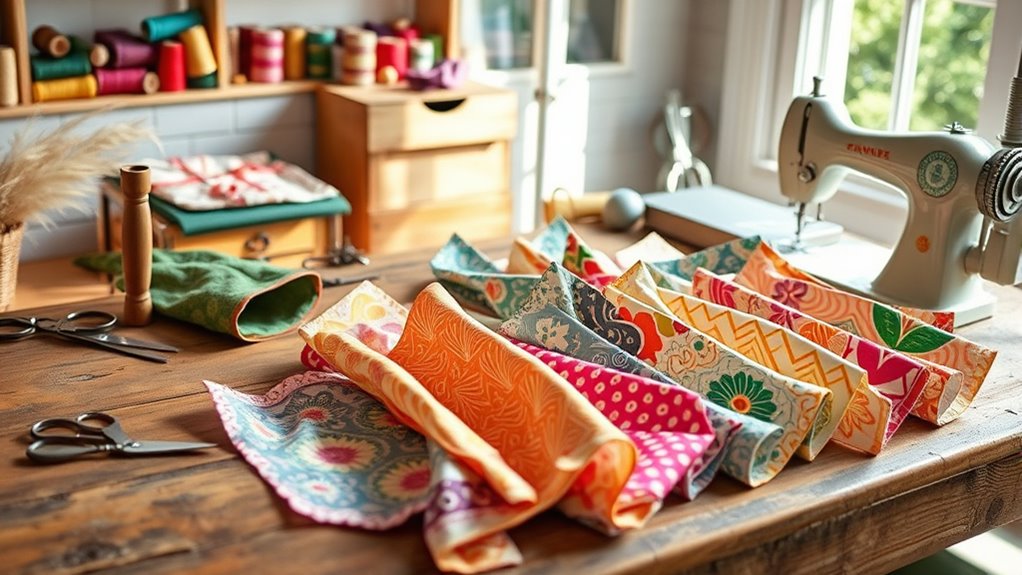
Have you ever contemplated how much waste disposable napkins create each year? It’s staggering when you think about the millions of single-use napkins tossed away daily. Switching to reusable cloth napkins isn’t just an eco-friendly choice; it’s a practical one that helps cut down on waste and reduces your environmental footprint. The key to making this switch successfully lies in understanding sustainable materials and mastering simple napkin folding techniques that make your cloth napkins both functional and attractive.
Switching to reusable cloth napkins reduces waste and environmental impact through sustainable materials and simple folding techniques.
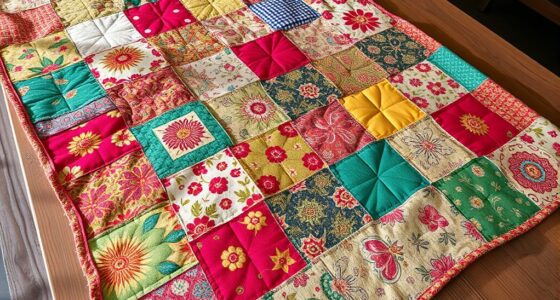
When selecting sustainable materials for your cloth napkins, look for natural fibers like organic cotton, linen, or bamboo. These materials are biodegradable, renewable, and often produced with less environmental impact compared to synthetic fabrics. Investing in high-quality, durable fabrics means your napkins will last longer, saving you money in the long run and minimizing waste. Plus, choosing eco-friendly textiles aligns with your goal to support sustainable practices, making your kitchen or dining space more environmentally conscious.
Once you have your materials, it’s time to consider napkin folding techniques that enhance both the presentation and usability of your cloth napkins. Simple folds, like the classic square fold or the elegant tri-fold, can be easily learned and add a touch of sophistication to your table setting. For a more decorative touch, try the fan fold or the pocket fold, which can hold utensils or small notes. These folding techniques not only elevate your dining experience but also make it easier to store and reuse your napkins without clutter.
Practicing these folding techniques allows you to create a neat, uniform look every time you set the table. It’s satisfying to see how a few quick folds can transform a plain piece of fabric into an attractive, functional element of your tableware. Plus, when you fold your napkins neatly, you encourage everyone to reuse them rather than tossing them aside. This simple act promotes sustainability and reduces waste further.
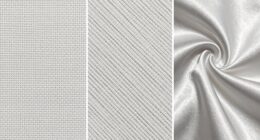
Incorporating sustainable materials and mastering napkin folding techniques is a straightforward way to make a positive impact. You don’t need fancy gadgets or complicated instructions—just a commitment to eco-conscious choices and a little practice. Using Suprem fabric for your napkins can provide added durability and a soft texture that enhances the overall experience. Over time, your reusable cloth napkins will become an essential part of your lifestyle, helping you cut down on waste, save money, and add a personal touch to your meals. By making these small but meaningful changes, you’re contributing to a healthier planet while enjoying the beauty and practicality of beautifully folded, sustainable napkins.

HONEST WEAVE GOTS Certified Organic Cotton Washable Cloth Napkins Sets for Everyday Dining, Dinner Parties, Weddings | Oversized 20×20 inches, Fully Hemmed, in Designer Colors, 12-Pack, Black
100% GOTS CERTIFIED ORGANIC COTTON – THE HIGHEST WORLDWIDE STANDARD – YOU CARE about what touches your skin,…
As an affiliate, we earn on qualifying purchases.
As an affiliate, we earn on qualifying purchases.
Frequently Asked Questions
How Do I Prevent Cloth Napkins From Staining?
To prevent cloth napkins from staining, you should treat the fabric with stain prevention methods before use. Apply a fabric protector spray to create a barrier against spills and stains. Additionally, act quickly when spills happen—blot instead of rubbing the stain. Consider using fabric treatments like stain-resistant sprays for extra protection. Regularly wash and reapply treatments to keep your napkins looking fresh and stain-free.
Can I Make My Own Cloth Napkins at Home?
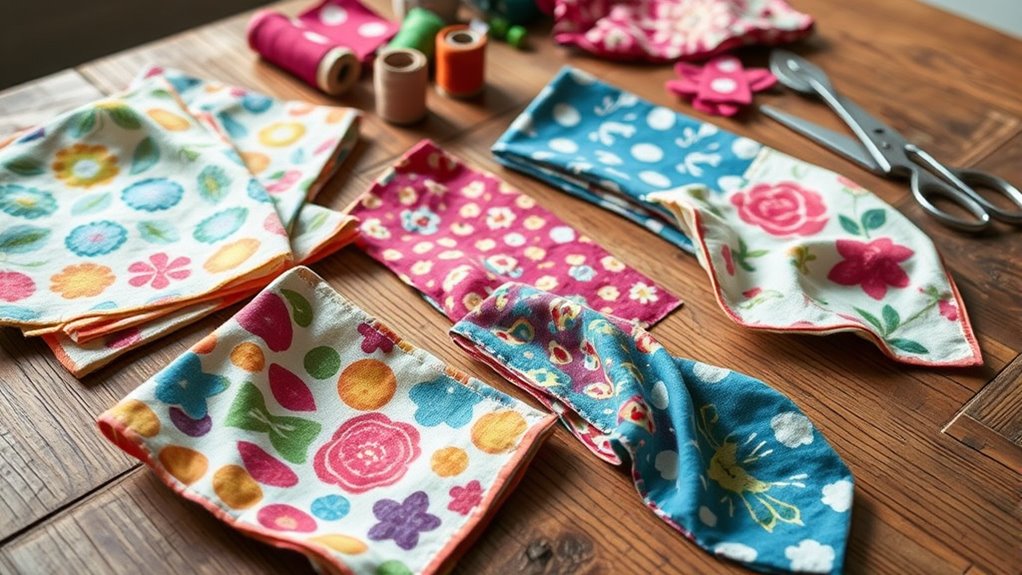
Did you know you can easily make your own cloth napkins at home? Pick fabric patterns you love, then use simple sewing techniques like hemming or straight stitches. It’s a fun project that lets you customize your napkins, reduce waste, and add a personal touch to your table. Just gather your fabric, follow a few basic steps, and you’ll have beautiful, eco-friendly napkins in no time!
How Often Should I Wash Reusable Cloth Napkins?
You should wash your reusable cloth napkins after every 2-3 uses to keep them fresh and hygienic. Laundry frequency depends on whether they’re stained or used for messy foods—if so, wash sooner. To prevent stains, rinse the napkins immediately after use and avoid letting spills set. Regular washing with warm water and gentle detergent helps maintain their quality, ensuring they’re always ready for your next meal.
Are There Eco-Friendly Dyes for Fabric Napkins?
Yes, there are eco-friendly dyes for fabric napkins. You can explore natural dyeing methods using plant-based dyes, which are safe for the environment and gentle on your skin. These dyes come from sources like indigo, madder root, turmeric, and beetroot. By choosing plant-based dyes, you support sustainable practices and create beautifully colored napkins without harmful chemicals, making your dining space more eco-conscious.
What Are the Best Storage Solutions for Clean Cloth Napkins?
Did you know that proper napkin storage can reduce laundry time by up to 20%? You should keep clean cloth napkins in an easily accessible, designated drawer or basket to stay organized. Using labeled, breathable containers or napkin rings helps maintain freshness and prevents clutter. Implementing effective napkin storage and organizing solutions guarantees your reusable cloth napkins stay tidy, making it simple to grab them when needed and keep your space neat.

Kinlop 24 Pcs Spring Easter Lunchbox Cloth Napkins Bulk Reusable 2 Ply 8" x 8" Floral Style Flannel Wipes Washable Soft Cotton Sturdy Absorbent Cloth Placemats for Dining Home Party
Absorbent and Reliable: this Cloth Napkins Bulk is designed with a double layer cotton flannel that is soft…
As an affiliate, we earn on qualifying purchases.
As an affiliate, we earn on qualifying purchases.
Conclusion
So, here you are, saving the planet one cloth napkin at a time—yet, in the end, it’s funny how something so simple can make such a big difference. You might think you’re reducing waste, but sometimes it feels like you’re just reusing the same old habits. Still, if everyone embraced these small changes, maybe, just maybe, the planet would thank you—though you’ll probably never see that gratitude in a paper napkin.

ACCENTHOME Natural Cotton Linen Napkin Set of 12 18×18 inch Dinner Napkins – Washable Soft Premium Hotel Quality Reusable Hemmed Edges Napkins Perfect Table Linens for Family Dinners, Weddings
COTTON LINEN BLEND NAPKINS: Manufactured using the perfect blend of pure cotton; these dinner napkins are soft and…
As an affiliate, we earn on qualifying purchases.
As an affiliate, we earn on qualifying purchases.

40 Ways to Fold a Napkin: Stylish folds for every occasion
As an affiliate, we earn on qualifying purchases.
As an affiliate, we earn on qualifying purchases.